The North County San Diego Dentists – Committed to Giving You Your Most Beautiful Smile
Looking for a professional and experienced dentist in Solana Beach? You’ve come to the right place. As your dedicated Solana Beach dentists, we have your best interest at heart and have several services tailored to suit your individual needs.
Read More
Our dental team use ultramodern technology and the best practices to offer dental procedures that give you sustainable solutions. We hold ourselves to the highest of dental standards to ensure that you leave our office with full confidence that we’ve done our absolute best to keep you safe from any possible complications.
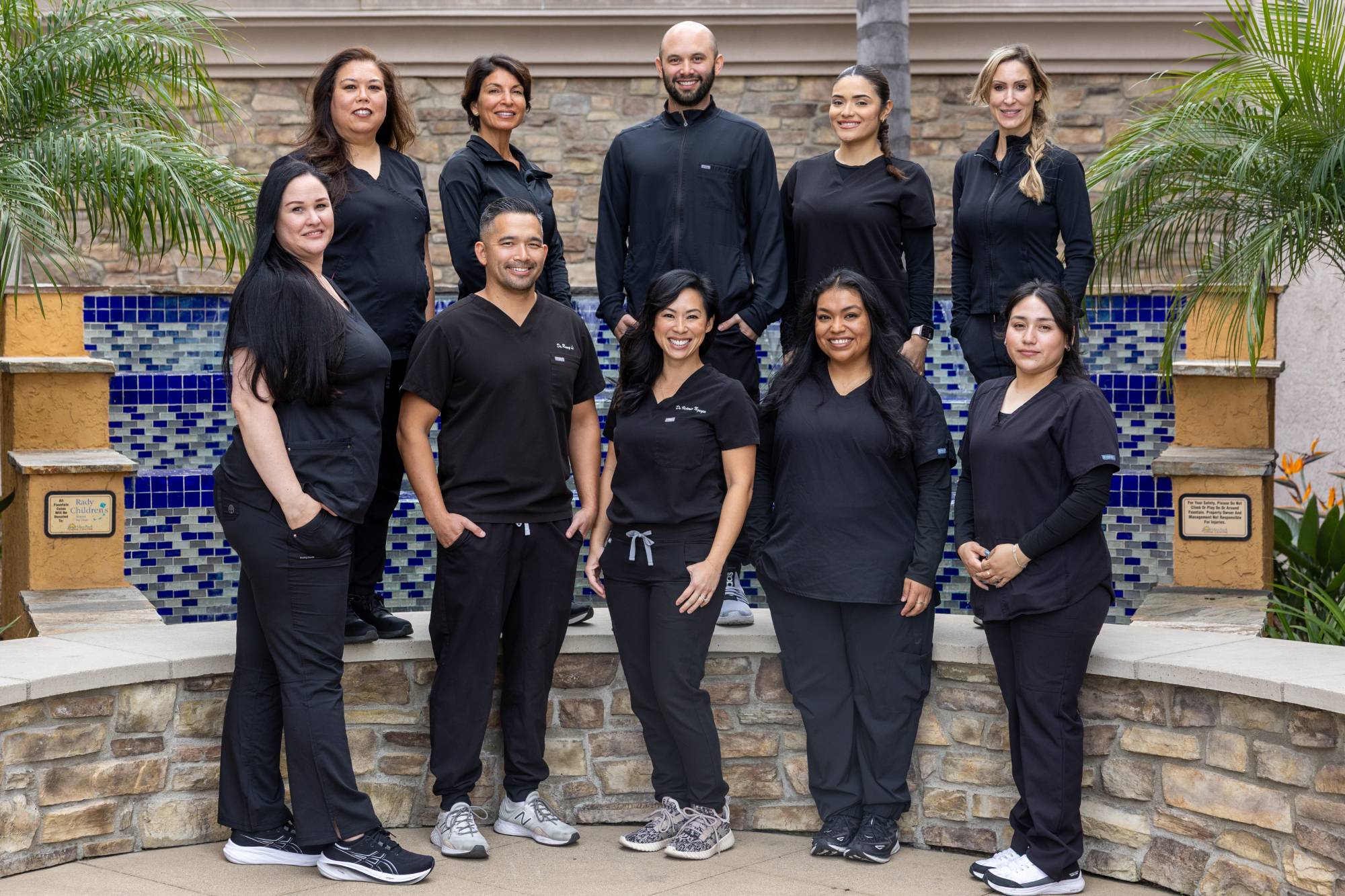
Situated in the beautiful area of Solana Beach, our doctors and dental support staff are fully dedicated to making your experience at our facility as relaxing as possible. We ensure our procedures are comfortable even to the most apprehensive patients. We spend the time with our patients during each and every visit to our office to ensure that we are communicating, understanding and addressing all your needs and concerns properly.
Our Mission
Our mission as your trusted Solana Beach dentist is to care for each patient with warmth, integrity, and intention, creating beautiful, lasting smiles while supporting whole-body wellness. We combine modern technology with skilled hands and compassionate hearts to deliver dentistry that is precise, comfortable, and deeply personal. Every detail of our care is designed to help our patients feel seen, supported, and confident in their health.

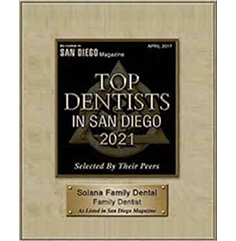
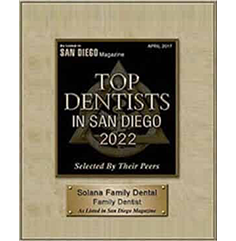
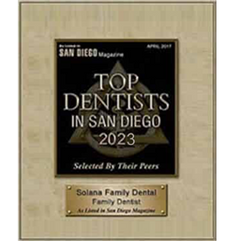
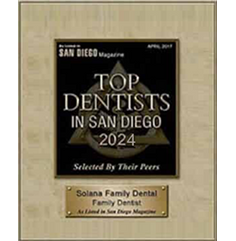
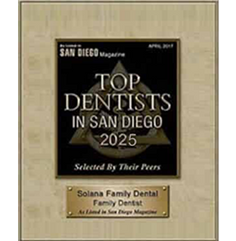
Our Awards


Our Doctors
Our team uses the latest, state of the art equipment and techniques to enhance your dental experience and to provide you with a dazzling, healthy smile.
Learn More
Location
Solana Family Dental is an award winning dental office located in Solana Beach. We can help you keep your teeth looking their best.
Get Directions
Appointments
If you have any questions, concerns, or would like to schedule an appointment. A team member from our office will contact you to setup a time to visit.
Book Appointment
Our Services
Restorations
Dental restorations are intended to bring back the beauty of a smile. The condition of the teeth and procedures that may be required can vary.
Dental Cleanings
Solana Family Dental offers professional and thorough dental cleanings and teaches the proper prevention techniques.
Cosmetic Dentistry
Cosmetic Dentistry can be a variety of things, from veneers to implants, we have you covered. We provide a quality experience for all our patients.
Orthodontic Aligners
Straight teeth allow you to bite, chew and speak more efficiently. It is the foundation for an even, regular, healthier and aesthetically pleasing smile.
Meet The Solana Family Dental Doctors
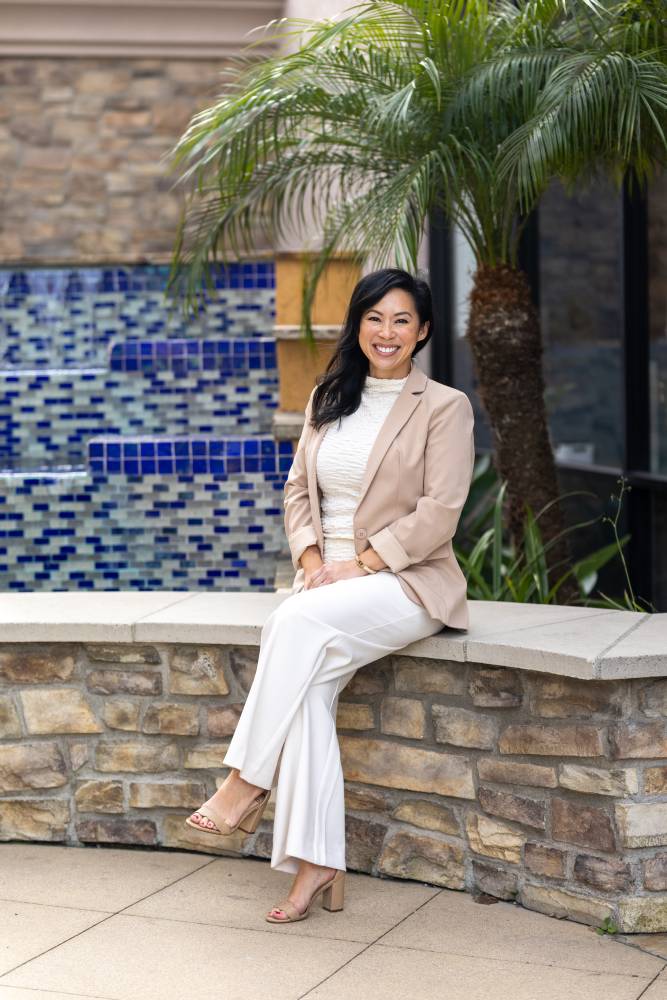
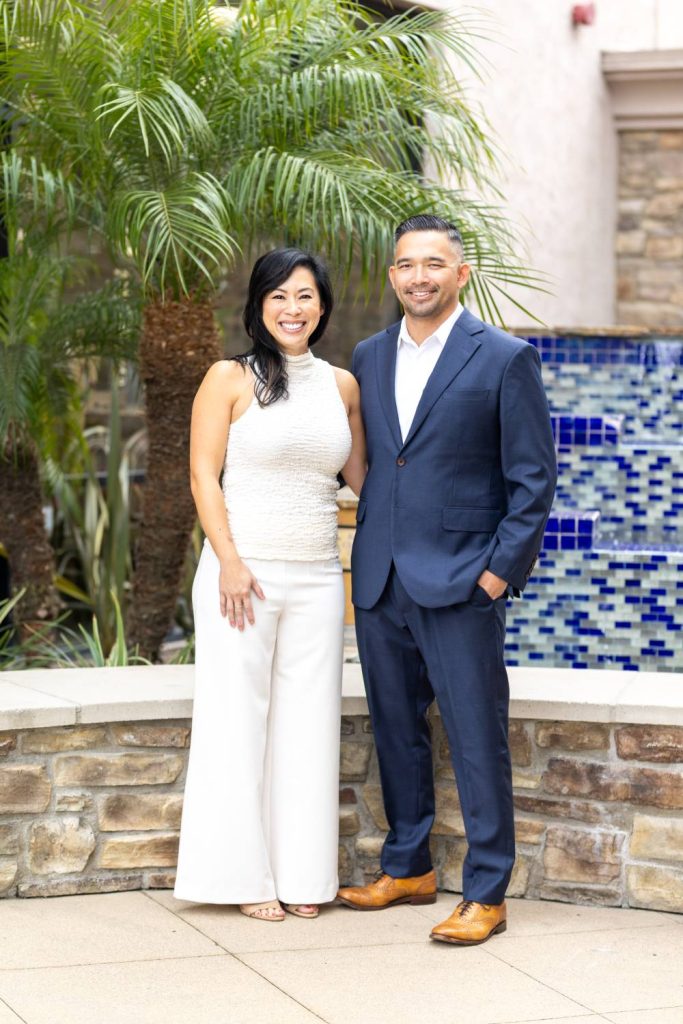
Dr. Victoria Nguyen Le
Co-Owner & General Dentist, Solana Family Dental
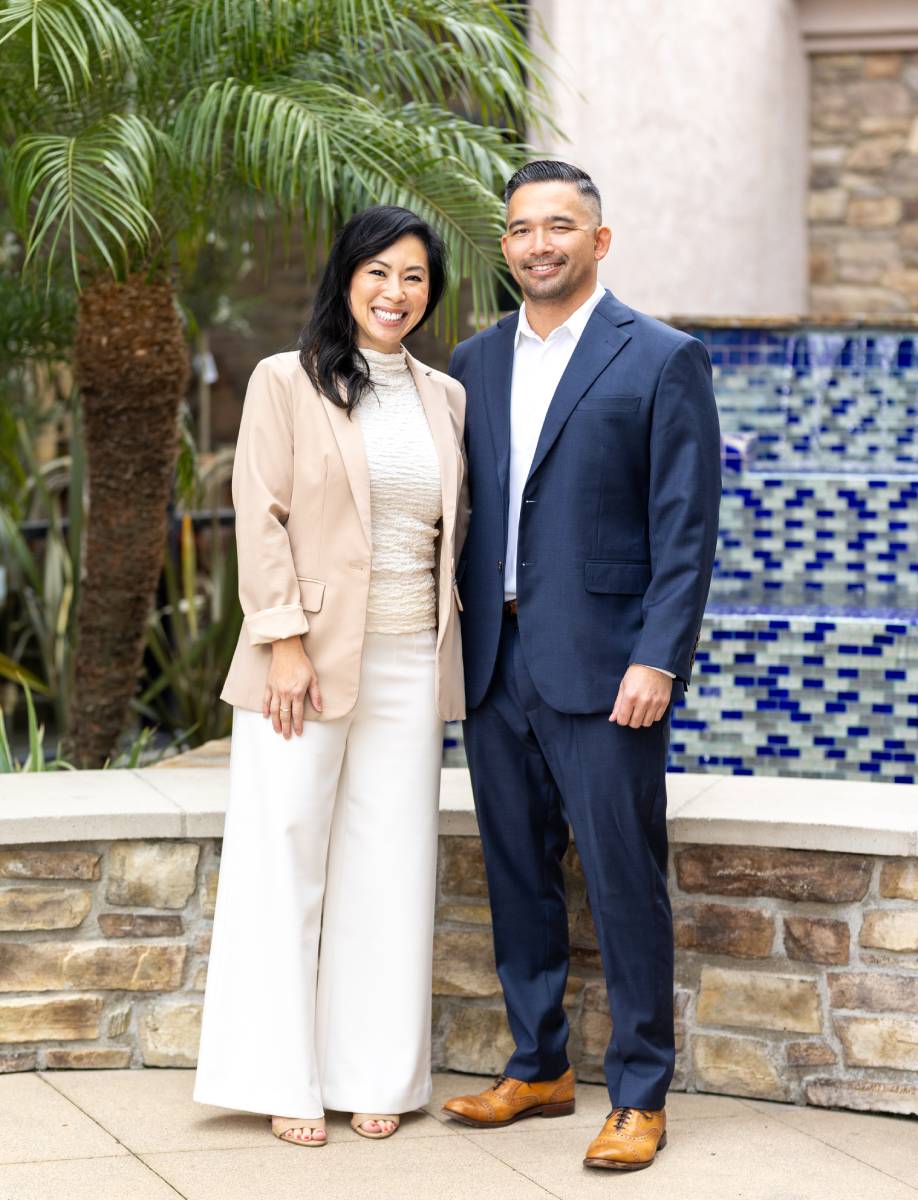
Dr. Victoria Le is the Co-Owner and General Dentist at Solana Family Dental, where she will officially assume ownership alongside her husband, Dr. Ronny Le. A proud Arizona native, Dr. Le was born and raised in Tucson and graduated cum laude from the University of Arizona with a major in Physiology and minors in Biochemistry and Psychology. She then moved to Los Angeles to pursue her dental degree at the University of Southern California.
Read More
With over a decade of experience in dentistry, Dr. Le began her career as an associate in Orange County, eventually rising to become a partner in owning several large group practices. After meeting Dr. Ronny Le, she relocated to San Diego in 2017, where she continues to make a profound impact through her practice and patient care.
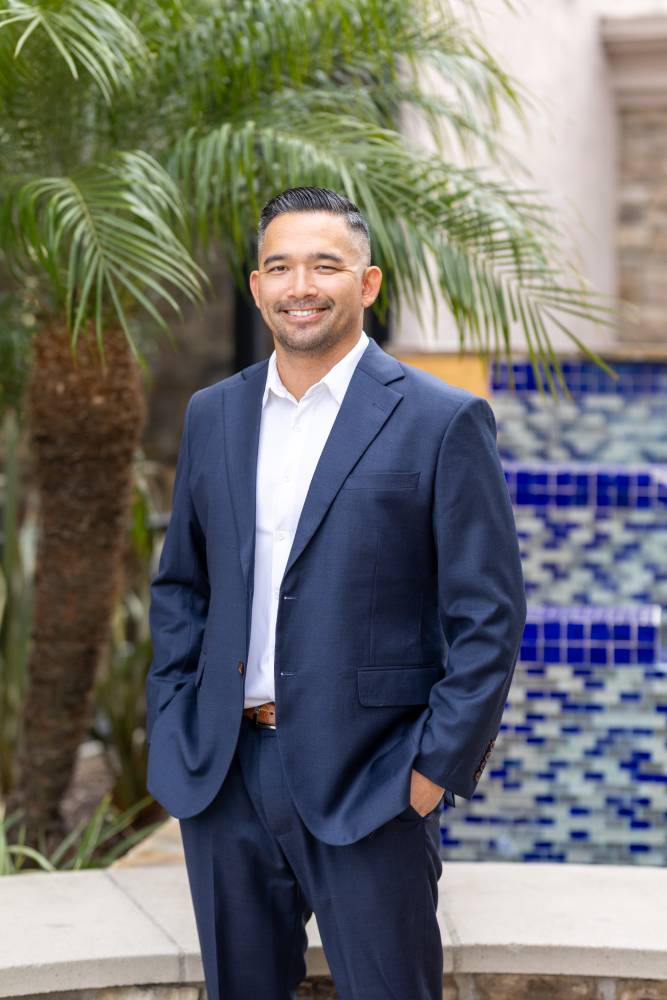
Dr. Ronny Le
Co-Owner & General Dentist, Solana Family Dental
Dr. Ronny Le and his wife, Dr. Victoria Le, are the proud owners of Solana Family Dental. Originally from Corona in Southern California, Dr. Le’s journey into dentistry has taken him coast to coast. He earned his undergraduate degree from the University of California, Irvine, before venturing to the East Coast to attend NYU College of Dentistry in the heart of Manhattan. While he appreciated the vibrancy of New York City, his heart was always set on returning home—particularly to San Diego, a place he had long envisioned as the ideal community to live, work, and raise a family.
Read More
From a young age, Dr. Le felt called to a career in healthcare, driven by a desire to help people in meaningful and lasting ways. At the same time, he was drawn to the craftsmanship and hands-on nature of dentistry. For him, the field is the perfect blend of science, artistry, and human connection. He thrives on the continual evolution of dental technology and is passionate about lifelong learning, ensuring that each day in the practice brings new opportunities to grow and innovate.
Why choose our facility over others?
As your trusted Solana Beach dentist, we pride ourselves in providing you dental services that best suit your specific dental needs, regardless of your dental history. We know our reputation is on the line and we’re honored to deliver a Five Star experience whenever you walk through our doors. At Solana Family Dental, our goal is to help you achieve long term health solutions. We work towards providing exceptional and honest information to help you develop a healthy and brighter smile. At the same time, we give you tips and strive to educate you in order to keep your oral health in tip-top shape.
What you can expect?
Your smile is personal to you, and you deserve the best. That’s why we don’t just provide services based on outdated procedures that may worsen your dental condition, but instead provide you with the industry’s latest, state of the art procedures. As your trusted Solana Beach dentist, we constantly and consistently keep up with the latest research on procedures, as well as industry developments that are relevant to better serve you. When you choose Solana Family Dental, you know that we’ll be with you every step of the way and our professional Solana Beach dentist will ensure that none of your dental concerns go unanswered.
Solana Family Dental Plan
We are proud to offer the Solana Family Dental Plan, a great option for patients without insurance that provides affordable access to quality dental care with clear pricing and valuable savings. Contact us today to learn more.
Contact Us
Frequently Asked Questions
Do you accept appointments?
Yes, we do accept appointments at our dentist’s office. In fact, we highly recommend that you schedule an appointment with us in advance to ensure that you receive the best possible care.
Do I need to arrive early for my first appointment?
Yes, please arrive at least 10-15 minutes early to fill out any patient forms.
What forms of payment do you accept?
We accept checks, cash, credit cards, and most insurance plans. Contact our office so a member of our team can verify your insurance or visit our Payment Options page for more information!
How often should I visit the dentist?
It is important to schedule routine checkups and cleanings to keep your teeth and gums healthy. It is recommended by the ADA to visit the dentist at least once every six months. Contact us now to book your appointment and take the first step toward optimal oral health!
What services do you offer?
We are happy to offer a variety of services including:
- All-on-X
- Bonding
- Bone Grafting
- Bridges
- Cleaning and Preventative Dentistry
- Cosmetic Dentistry
- Crowns
- Dental Emergency
- Extractions and Preservations
- Fillings
- Full Mouth Reconstruction
- Implants
- Inlays and Onlays
- Invisalign
- Oral Appliances
- Pediatric Dentistry
- Periodontal Care
- Removable Full and Partial Dentures
- Root Canals
- Same Day Crowns
- Sedation Dentistry
- Severe Tooth Wear Solutions
- Sinus Lifts
- Smile Makeover
- Teeth Replacement
- Veneers
- Whitening